
What are you trying to arrange?
A hand is the group of cards a player holds. In many rummy variants, the aim is to arrange those cards into accepted combinations called melds. Two important kinds are sequences and sets.
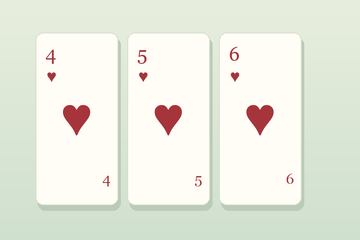
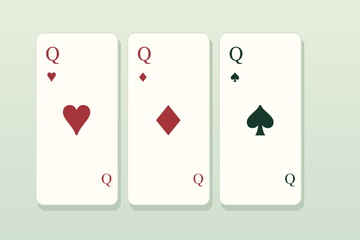
A sequence uses consecutive ranks in one suit. A set uses the same rank across different suits. Understanding the difference is more useful than memorising an app screen.
The rhythm of a turn
- Draw: take a card from the stock or, where the rules allow, the face-up discard pile.
- Review: look at how the card changes the groups in your hand. Some variants let you place a completed group on the table.
- Discard: place a card on the discard pile to finish the turn, subject to the selected rules.
This is an introduction to the common draw-and-discard structure. The number of cards dealt, when groups may be laid down, and how a hand ends depend on the variant.
Which rules need a second look?
Agree on the rules before a friendly, points-only game. Check the hand size, the number of decks, whether jokers are used, the position of an ace, and what counts as a completed hand.
Terms such as “pure sequence” and “declaration” are particularly common in some 13-card formats. They should not be treated as universal requirements across every rummy game.
A simple way to practise
Use a standard deck without stakes. Lay out three consecutive cards in one suit, then three cards of the same rank in different suits. Say aloud what stayed the same in each group: the suit in the first, the rank in the second.
Move on to the detailed sequence and set guides when you can explain that distinction without referring to a picture.